Availability: The Capacity for Contact and Return

Availability…
Being reached…
Availability is our capacity to let what is happening within us, between us, and around us reach and affect us; to retain our agency in that contact; and to return after we close.
To be reached is for something to matter—to enter our awareness, affect our understanding or feeling, and become part of how we choose to participate. It does not require agreement, compliance, or immediate change.
What Availability Is and Is Not
Availability looks at:
Can it reach me? Can I let it matter without being taken over by it? And when I close, can I find my way back?
Availability does not mean constant openness. We all close. Sometimes closure is protective, necessary, and wise. The questions are whether we can notice it happening, discern what it is protecting, and return when contact becomes possible again.
Availability is also not the same as being generally open-minded, agreeable, or interested in new experiences. A person can be imaginative and curious yet become unreachable by feedback from a partner, a signal from their body, or an experience that challenges who they believe themselves to be.
At the Human Maturity Institute, we are exploring whether the growing stability of this capacity—contact, discernment, closure, and return—is an essential dimension of human maturity.
Availability in Ordinary Moments
Imagine receiving difficult feedback. You hear the words, but almost immediately begin explaining why they are not accurate. Your body tightens. Shame or anger arises. Your attention shifts from understanding the other person to protecting yourself.
You are still in the conversation, but contact has narrowed.
Availability asks what can still reach you in that moment—and what might help you return to fuller contact.
The Five Domains of Availability
Availability isn't just one capacity. It has different expressions.
Sometimes we can hear feedback but cannot emotionally receive it. Sometimes we understand another person's perspective, but our body has already shut down. Sometimes we know something is true, yet our identity isn't ready to let go of who we've been. When we become unavailable, we don't close all at once. We tend to close in particular ways.
Observations revealed these five domains of availability. They are not separate parts of ourselves. They are different ways we remain open, or become closed, to life.


Affective Availability
Can I feel what is present without immediately suppressing it, explaining it away, or being overtaken by it?
Affective Availability allows emotion to reach awareness and inform us without automatically governing what we do.
Perceptual Availability
Can information that challenges my account genuinely enter my consideration?
Perceptual Availability is the capacity to notice what is present, distinguish observation from interpretation, and allow new information to revise what we see.

Somatic Availability
Can I notice and respond to what my body is communicating, especially under pressure?
Somatic Availability is the capacity to remain in contact with bodily experience without being completely governed by, or disconnected from, protective responses.

Identity Availability
Can my understanding of who I am be questioned without immediate defense?
Identity Availability is the capacity to hold our self-understanding with enough stability and flexibility for experience to deepen, complicate, or revise it.

Relational Availability
Can another person’s experience affect me without either of us disappearing?
Relational Availability is the capacity to let another person matter while retaining our own agency, including when we disagree or experience one another differently.
The Movement of Availability
Availability is not a state we achieve and keep.
We move into and out of contact—with what is happening around us, within us, and between us. Something reaches us. We are affected. We participate. Then something makes contact difficult. We protect ourselves, close, or turn away. Sometimes we notice. Sometimes we do not. Sometimes we return.
This movement is part of being human.
Contact → Participation → Disruption → Protection → Seeing → Return → Participation again
The movement is not always orderly. We may move through it in seconds, over several days, or across many years. We may also be available in one part of ourselves while closed in another.
The question is not whether we ever close. It is what happens when we do.
Over time, this movement can change. We may notice closure sooner. Become less frightened by what reaches us. Protect ourselves with greater choice. Need less time to find our way back. Remain in contact with more of ourselves while under pressure.
Our Availability becomes more stable—not permanent or limitless, but more accessible. This is the developmental possibility we are exploring at the Human Maturity Institute:
Human maturity may include the growing stability of our capacity to enter, remain in, and return to contact—so that we can participate more fully in life.
-
Availability begins with contact.
Something reaches us: a piece of information, a feeling, another person’s experience, a signal from the body, or an experience that unsettles who we understand ourselves to be.
To be reached does not mean we must agree, comply, or immediately change. It means that what is happening has entered our awareness and been allowed to matter.
We are affected without being erased.
-
Participation is what we do with what reaches us.
We might listen, speak, act, refuse, rest, repair, ask a different question, change our mind, or make a choice. Availability does not determine what we will do. It gives us more of what is present from which to choose.
Availability without participation can become insight without movement.
Participation without Availability can become action that has not been informed by what is actually happening.
They belong together.
-
Contact is not always easy to sustain.
Feedback may threaten how we see ourselves. An emotion may feel too large. Another person’s experience may conflict with our own. Our body may register danger before we understand why. The conditions around us may make honesty, vulnerability, or disagreement costly.
Something interrupts contact.
Our attention narrows. Our body prepares to protect us. Certainty replaces curiosity. Explanation replaces listening. We become less reachable by what is happening.
This is disruption.
-
When contact becomes too costly, we protect ourselves.
We defend. Withdraw. Go silent. Become busy. Explain. Please. Control. Leave our bodies. Hold more tightly to an identity, position, or account of what happened.
Closure is not automatically a failure of maturity. It may be intelligent, necessary, and wise. It may protect dignity, safety, belonging, energy, or something we are not yet ready to meet.
The more useful questions are:
Was the closure chosen or automatic?
Can we recognize what it is protecting?
Is it still needed?
What is it costing us or others?
Can we return when contact becomes possible again?
-
Sometimes the first movement toward return is simply seeing that we have closed.
We notice that we are no longer listening. That our body has tightened. That we are explaining rather than receiving. That an emotion has disappeared beneath analysis. That another person can no longer reach us.
Seeing does not immediately reopen what has closed. But it changes our relationship to the closure.
What was happening through us can now be observed by us.
This small distance can restore the possibility of choice.
-
Not every closure should be reopened.
Availability does not ask us to remain receptive to harm, manipulation, endless demand, or conditions that erase our agency. Sometimes the most available response is a boundary, a refusal, an ending, or a period of rest.
Discernment asks:
What deserves my Availability?
In what measure?
Under what conditions?
For how long?
What form of participation is mine to choose?
Availability without discernment can become exposure.
Discernment helps us remain reachable without becoming unprotected.
-
Return is the restoration of contact.
We become able to feel what we could not feel, hear what we could not hear, notice what we had filtered out, or re-enter a relationship with greater presence.
Return does not always mean going back to the same conversation, relationship, or position. We may return to ourselves. To our bodies. To a truth we avoided. To a different understanding of what happened. We may return with a boundary that was not there before.
Return is also not a race. Some disruptions require time, safety, support, distance, or changed conditions. A rapid return is not always a wise one.
What matters is that closure does not have to become our permanent location.
-
When we return, we do not necessarily return unchanged.
Something may now be visible that was not visible before. Another person’s experience may have become part of our understanding. We may have more choice about how to respond. Our next participation can arise from more contact with what is present.
This does not guarantee the “right” action.
It gives us a freer and more informed place from which to act.
The Availability Project
The Availability Project studies how people move into and out of contact in ordinary life: what can reach us, what interrupts contact, what our closure protects, what supports return, and how these movements shape our participation.
The work draws on coaching, leadership development, education, relationships, contemplative practice, and structured observation. It is an active inquiry rather than a finished theory.
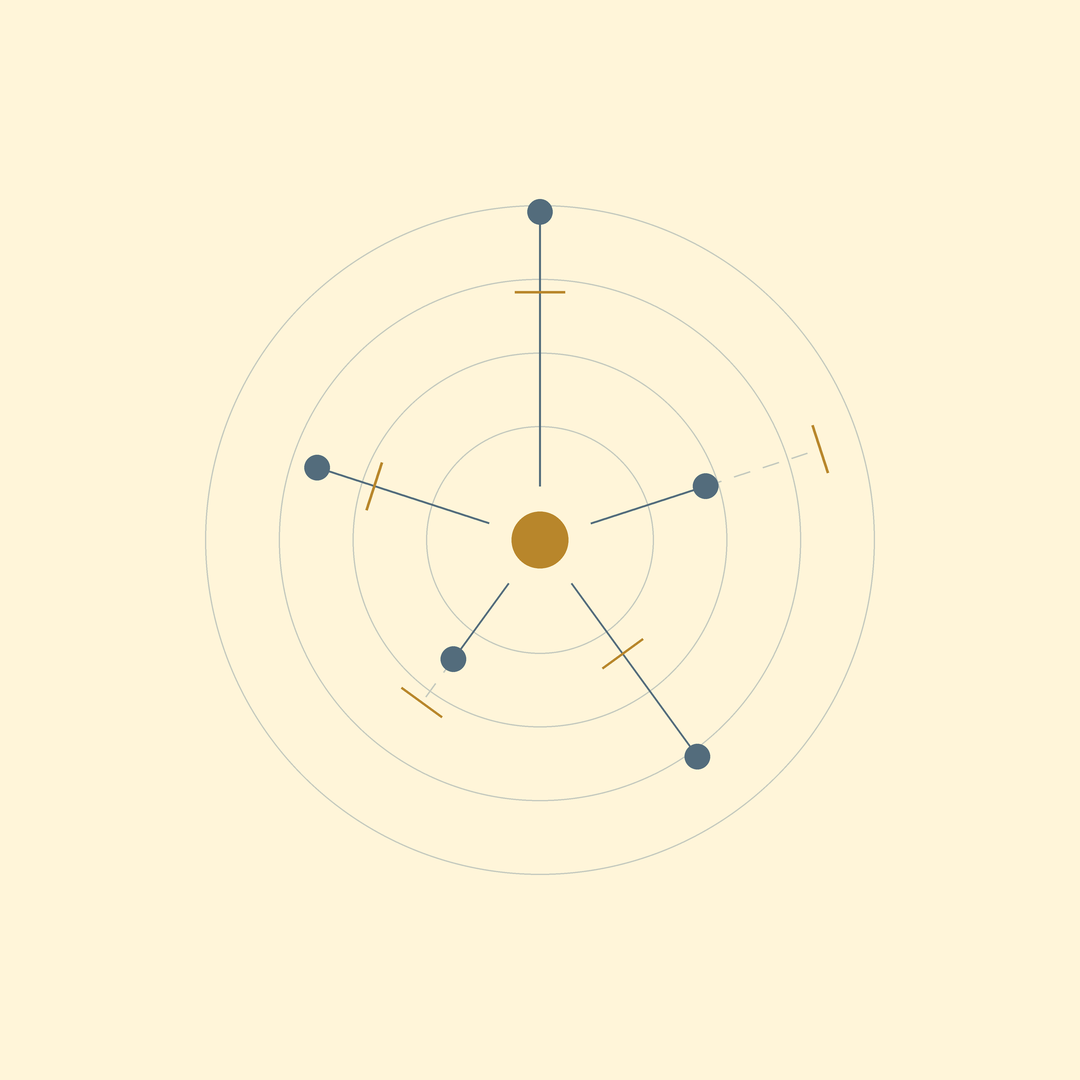
The Availability Snapshot is a free thirty-minute self-inquiry about your availability to participate in life. It is a mirror, not a test — it does not grade you, and it treats noticing yourself as a real capacity in its own right rather than as a failure. Most people find the report tells them something they half-knew and had not put words to.
Take it yourself. See what you discover.
For Practitioners & Organizations
Availability does not develop in isolation. It is supported—or constrained—by the people, relationships, and conditions around us. For coaches, facilitators, educators, and others responsible for the development of others, the work begins with noticing both the client’s Availability and our own.
Explore Availability for Practitioners →
For teams, Availability shapes what can be said, heard, questioned, and acted upon—especially when pressure rises.

Availability to yourself and availability to the world are not two projects. This is one person's account of finding that out over several years.
“I understand myself today better than I did before I started this self work. Importantly, I’ve also come to understand how much I, as an individual, am also a part of a greater world. Once upon a time, Akasha helped me distinguish that service to the world is also service to myself. Over time, I’ve come refine that further — I am not separate from the world at all.”